Machining Mold Table is a specialized table used for placing, securing, and operating on molds during mechanical processing. This type of table is commonly used in mechanical workshops, manufacturing plants, and mold repair facilities.
Characteristics of Machining Mold Table:
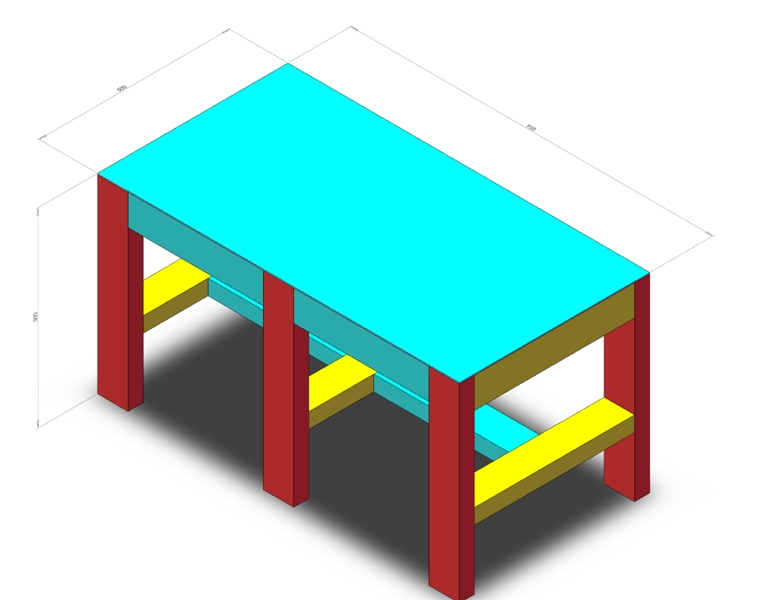
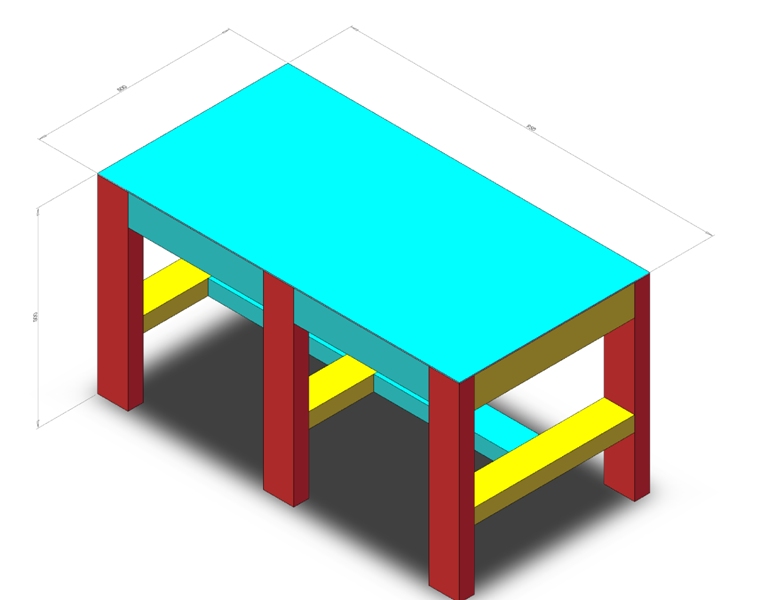
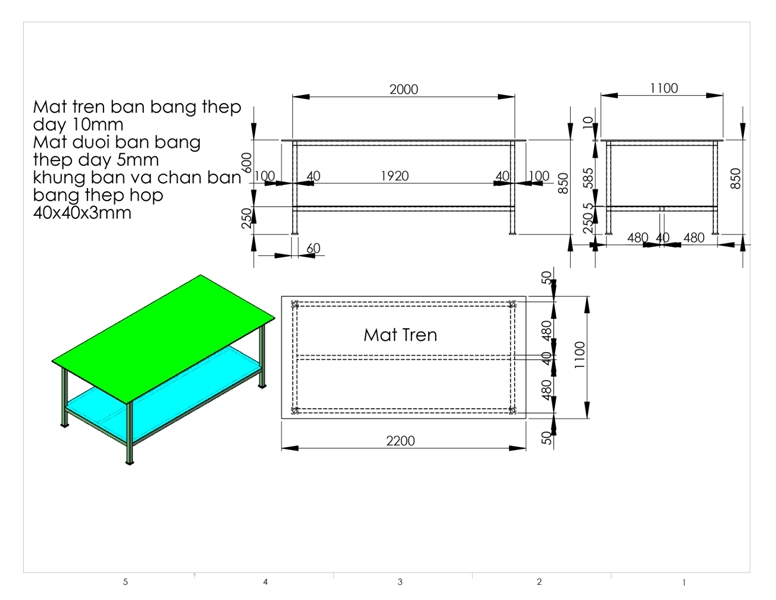
- Sturdy Structure: Made from high-durability materials such as steel, capable of handling heavy loads and high impact resistance. The frame is typically made of box steel, and the tabletop is made of thick steel plate.
- Diverse Sizes: Available in various sizes to suit the usage needs of different mold types. The most common sizes range from 800x800mm to 2000x1500mm.
- Adjustable Height: Some types allow height adjustment to fit the worker's working posture.
- Slide Rail System: Some models feature slide rails to make moving molds easier.
- Clamping System: The clamping system helps securely fix the mold on the tabletop during processing.
- Dust Extraction System: Some tables include a dust extraction system to remove dirt during processing.
Advantages of Machining Mold Table:
- Ensure Safety: Helps securely fix the mold, minimizing the risk of occupational accidents during processing.
- Increase Work Efficiency: Helps workers operate on molds more easily and accurately, thereby increasing efficiency.
- Save Time: Saves time in moving molds, thereby increasing labor productivity.
- Protect Molds: Protects molds from impacts and scratches during processing.
Notes on Using the Machining Mold Table:
- Choose the Right Size: The table size must match the mold dimensions.
- Secure the Mold Firmly: The clamping system must be used to firmly fix the mold on the tabletop before processing.
- Use Proper Tools: Tools must match the mold type and processing procedure.
- Clean After Use: The table must be cleaned after use to ensure durability and lifespan.